
The United States now has a Strategic Bitcoin Reserve, and almost none of it was bought. It was stocked with coins the government took from criminals and from people on the losing end of forfeiture cases: online black markets, hackers, fraud rings and money launderers.
That origin story is the most interesting thing about the reserve. It means America's "digital gold" was assembled one prosecution at a time, and it explains why, more than a year and a half after the reserve was created, nobody can say for certain how much it holds.
When the U.S. started keeping its Bitcoin
On March 6, 2025, President Trump signed Executive Order 14233, ending the government's habit of auctioning off seized Bitcoin. It set up two accounts at the Treasury:
- The Strategic Bitcoin Reserve holds Bitcoin only. Coins deposited there are not to be sold and are treated as reserve assets of the United States, much like the gold at Fort Knox.
- The U.S. Digital Asset Stockpile holds every other forfeited cryptocurrency. The Treasury has more freedom to manage, and potentially sell, those.
It was a turnaround for the president. In July 2019, Trump tweeted that he was "not a fan of Bitcoin," calling its value "highly volatile and based on thin air" and warning that unregulated crypto "can facilitate unlawful behavior, including drug trade and other illegal activity." In 2021 he said Bitcoin "just seems like a scam." By 2024 he was promising a Nashville Bitcoin conference that America would be the "crypto capital of the planet." He was right about the drug trade, at least: that is where much of the reserve came from.
How the government ends up with Bitcoin
Almost all of it arrives through forfeiture, the legal process that lets the government take property tied to crime.
- Criminal forfeiture happens as part of a prosecution. A defendant is convicted, and the court orders the proceeds of the crime handed over.
- Civil forfeiture is a case against the property itself. The government sues the coins, not a person, and can win them without convicting anyone.
In practice, agents trace coins across the public blockchain, get hold of the private keys, and move the coins into government wallets.
The famous cases behind the stockpile
A handful of cases account for most of the Bitcoin the government has ever seized.
| Case | Seized | BTC | Where it stands |
|---|---|---|---|
| Silk Road (Ross Ulbricht) | 2013 | ~144,000 | Auctioned in 2014–15 for about $48 million |
| Silk Road hacker "Individual X" | 2020 | 69,370 | Sale approved in Dec 2024 but never carried out; still held |
| Silk Road thief James Zhong | 2021 | ~50,676 | Forfeited; part sold in 2023 |
| Bitfinex hack (Lichtenstein and Morgan) | 2022 | ~94,643 | Slated to go back to Bitfinex; still in custody as of April 2026 |
| Prince Group (Chen Zhi) | 2025 | ~127,271 | Civil forfeiture case pending |
Silk Road. The FBI seized about 144,000 BTC when it shut down the online black market in 2013. The government auctioned them for about $334 each; today they'd be worth roughly $12 billion. President Trump pardoned founder Ross Ulbricht in January 2025, calling the people who convicted him "scum." The pardon did not bring back the Bitcoin.
"Individual X." An unnamed hacker who had stolen from Silk Road forfeited 69,370 BTC in 2020. A judge cleared a sale in late 2024, but it never happened.
The popcorn tin. IRS agents found about 50,000 Bitcoin that James Zhong stole from Silk Road hidden in a popcorn tin and an underground safe at his Georgia home.
Bitfinex. Agents recovered about 94,643 BTC from the 2016 Bitfinex hack from Ilya Lichtenstein and Heather Morgan, the rapper "Razzlekhan." Prosecutors have asked to return them to the exchange.
Prince Group. The biggest seizure ever: about 127,271 BTC, worth $15 billion, tied to accused Cambodian scam-compound boss Chen Zhi. The case is still in court.
How much is in it? A Fort Knox without a count
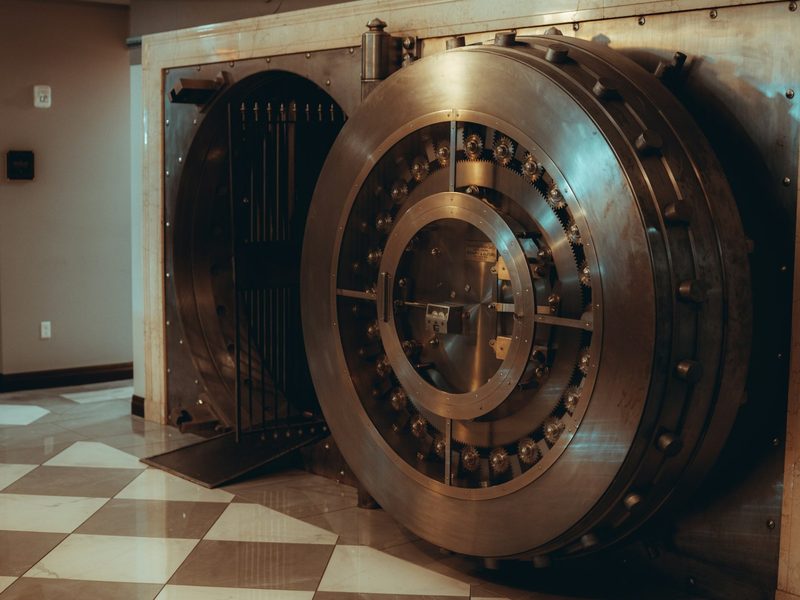
The Treasury publishes how much gold it holds every week: about 261.5 million troy ounces. For Bitcoin, the public doesn't know. Estimates differ by roughly 130,000 BTC, and none of them is an audited reserve balance.
| Estimate | BTC |
|---|---|
| Bitcoin Treasuries tracker, July 2026 | 328,372 |
| Arkham on-chain estimate, July 2026 | ~324,000 |
| White House estimate at launch, March 2025 | ~200,000 |
| Tracker balance before the Prince Group seizure | 198,109 |
The big jump lines up with the Prince Group seizure, which points to the real problem: seized is not owned. The order only covers Bitcoin that has been finally forfeited, meaning a court has ruled and appeals have run out. Until then, coins are evidence or disputed property.
Victims also come first. The order lets agencies release coins to identifiable crime victims, and much forfeited crypto was stolen from someone. Returning the Bitfinex coins alone would cut the headline total by nearly 30% without a single sale. The Prince Group case could take years, as scam victims and creditors press their own claims.
The blockchain can't settle any of this. It shows which wallets hold coins, not who legally owns them. Agencies reported their holdings to the Treasury in 2025, but as of an August 2026 analysis, no inventory had been published.
Why keep it, and what it costs
The administration's case is that Bitcoin's fixed supply of 21 million coins makes it "digital gold," and that being an early national holder is a strategic advantage. Supporters point to the Silk Road auctions as a cautionary tale. The reserve can only grow through seizures for now: the order created no funded purchase program, and buying would take an act of Congress.
Critics see real tradeoffs:
- Volatility. The government takes on an asset that can lose half its value in months, and gives up cash it could collect by selling now.
- Transparency. A reserve with no published balance is hard to oversee and easy to spin, in rallies and crashes alike.
- Conflicts of interest. The president is in the crypto business himself. He launched the $TRUMP meme coin days before his second inauguration, his family runs the crypto venture World Liberty Financial, and his 2026 financial disclosure listed about $1.4 billion in crypto income over 12 months. In October 2025 he also pardoned Binance founder Changpeng Zhao, who had pleaded guilty to failing to maintain an anti-money-laundering program. For an asset he once said was "based on thin air," Bitcoin has been good to him.
- Victims and due process. Treating forfeited coins as national wealth can create pressure to keep assets that former owners or crime victims may still claim. Civil forfeiture, which needs no conviction, already draws criticism from across the political spectrum.